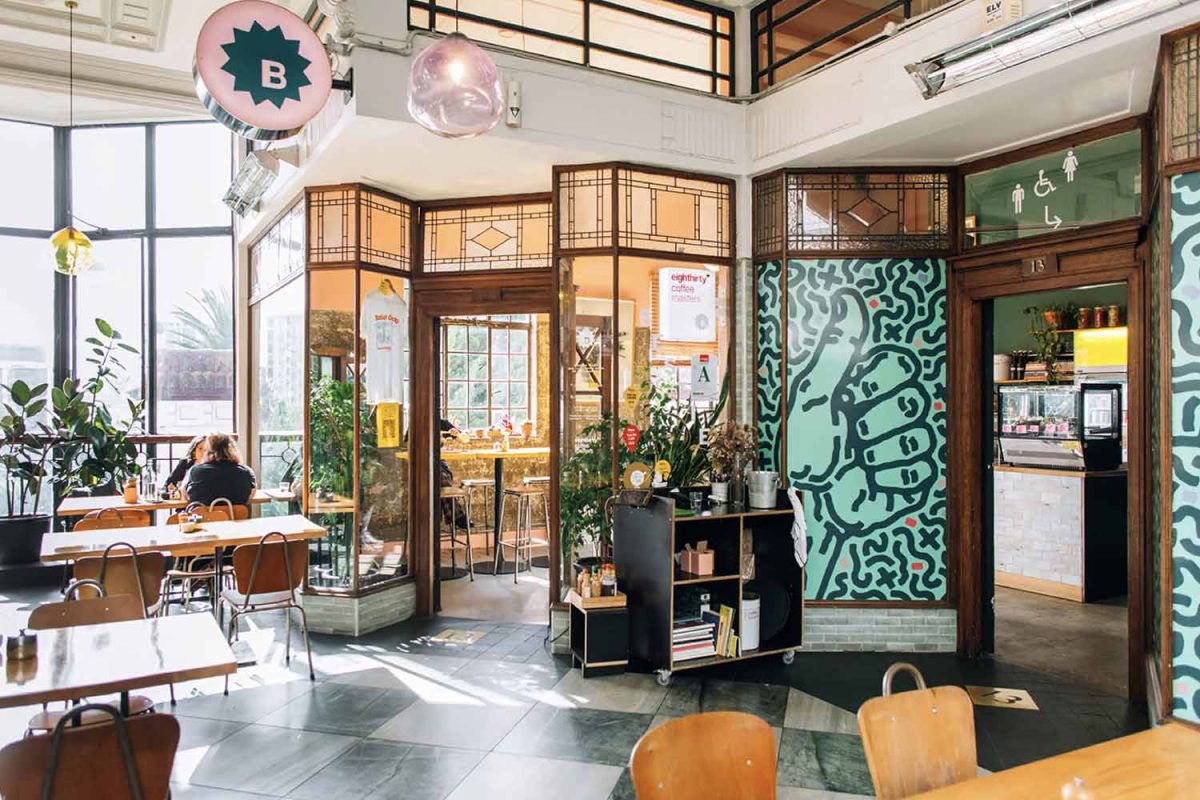
For restaurants, cafes, and the rest of the hospitality industry in New Zealand, every customer is a potential reviewer. Every meal, every coffee, every interaction with a server is something the customer can and might describe in public. The volume of reviews is higher than in almost any other industry, the platforms are more numerous, and the reputation conversation never stops moving. The businesses that handle it well treat reputation as part of operations, not as something to deal with when something goes wrong.
This article walks through the platforms hospitality businesses need to manage in New Zealand, the recurring problems that come with the territory, and the operational habits that separate the venues with strong reputations from the ones that are constantly putting out fires.
The platforms that matter
Hospitality reviews are spread across more platforms than most other industries because customers find venues through different channels depending on the occasion, the meal, and where they are visiting from. A reputation that ignores any one of the major platforms leaves a meaningful share of customers unaddressed.
The hospitality platform stack in NZ
- Google Business ProfileThe dominant first impression for almost every venue. Local search results, the map pack, and the rating preview are usually the first thing a customer sees. The Google rating shapes whether the venue gets considered at all.
- TripAdvisorStill significant for venues in tourist areas, less so for purely local trade. International visitors lean on TripAdvisor more than New Zealand residents do, but the influence on travel-driven trade is real.
- FacebookThe social and community side of reputation. Recommendation threads in local community groups, check-ins, photos shared by customers. Less structured than the formal review platforms but often where word-of-mouth lives.
- InstagramNot strictly a review platform, but where the venue's visual reputation is built. Tagged photos, stories, the venue's own account. Hospitality is visual and Instagram is the visual record.
- Booking and ordering platformsOpenTable, Eat New Zealand, delivery aggregators - each has its own review system that influences customers using the platform to discover or book.
Why hospitality is different
Three things make hospitality reputation management harder than most other industries. The volume is high - a busy venue might serve hundreds of customers a day, any of whom could review. The experience is subjective - the same dish, the same service, the same noise level will produce different reactions in different customers. And the recovery window is short - a customer who had a bad meal on Friday and posted about it on Saturday is past the window where the venue can do much to change the experience itself.
The reality
Hospitality reviews are not really about the food. Read a few hundred negative restaurant reviews and the pattern becomes clear: the complaints are mostly about service, waiting, noise, value perception, and the customer's emotional experience of the room. The food appears as a supporting character. The implication for venues is that the operational improvements that move the rating most are usually about service flow, not about the menu.
The "had a bad night" review
The most common difficult review for hospitality is the customer who had a bad night and wrote about it the next morning. The venue may have been short-staffed because of a sick callout. The kitchen may have been backed up because of an unexpected rush. The customer in question may have caught a bad version of the venue on a bad night and reviewed it as if it were the standard.
The temptation is to explain. To tell the reviewer that the night they describe was unusual, that the venue is normally better than that, that there were extenuating circumstances. The temptation should be resisted. The reviewer's experience was real to them, and "we are usually better than this" reads as making excuses no matter how it is worded.
The right response acknowledges the experience plainly, accepts ownership without qualification, invites the customer to come back as the venue's guest, and stops. The audience is not the reviewer - it is every other potential customer who reads the review and the response together and decides what kind of venue this is.
The food bloggers and the review bombs
Hospitality is uniquely exposed to two situations that other industries rarely face. The first is the food blogger or local food account whose review can drive significant traffic in either direction. The second is the review bomb triggered by a controversy - a misunderstood social media post, a perceived insult to a customer, an incident that goes viral on a community page.
For the first, the right approach is to treat food media the way you would treat any other media interaction. Be hospitable, be honest, do not comp the meal in obvious ways, and let the experience speak for itself. Trying to manage the reviewer almost always produces a worse outcome than serving them as you would serve any other customer.
For the second, the article on review bombing covers the framework. The short version: do not respond in the first hour, document everything, frame the platform escalation as a coordinated incident rather than as individual reviews, and adopt a calm public posture in one place rather than replying everywhere.
The capture system for high-volume venues
Hospitality review capture
- 1
Train front-of-house staff to ask for reviews verbally at the right moment - usually when delivering the bill to a clearly satisfied table. The verbal ask from a server who built rapport during the meal converts at higher rates than any digital approach.
- 2
Provide a QR code on the bill or the receipt that goes directly to the Google review form. Not a search page, not a landing page - the review form itself.
- 3
For booked tables, send a follow-up SMS or email the next morning with a brief thank-you and the same direct review link. Keep it short, sign it from a real person, do not include marketing.
- 4
Avoid asking every customer the same way every time. Vary the touchpoints so the requests do not start to feel mechanical to regulars. The goal is volume over time, not pressure on any single customer.
- 5
Track the rolling thirty-day count and use it as a service-quality indicator. A drop in review volume often signals a service issue before it shows up in other metrics.
Photos do half the work
Hospitality is visual in a way that other industries are not. Customers reading a Google Business Profile or a TripAdvisor listing scroll the photos before they read the reviews, and the photos often determine whether they keep reading at all. A venue with a thin, dated photo set loses customers to identical venues with strong photo presence regardless of the rating difference.
The work for hospitality is to keep the photo set fresh, varied, and current. Recent dishes, seasonal changes, the room at different times of day, the team. The Business Profile photo manager and Instagram together create the visual record that customers compare against the reviews. Both need attention, both need updating, neither is a one-off task.
The food appears as a supporting character. Service flow is what moves the rating.
The response policy
Hospitality venues need a written response policy more than most industries because the volume of reviews means responses are happening constantly and the consistency matters. Different staff members responding in different tones to similar reviews is the most common failure mode. The policy does not have to be long - it has to define who responds, in what tone, on which platforms, and how quickly.
The article on responding to negative Google reviews covers the framework that works for hospitality as well as for other industries. The principles are the same: acknowledge, take reasonable ownership, offer a private path forward, stop. What changes for hospitality is the volume and the speed - responses need to happen within a day or two, not a week.
When to get specialist help
Most hospitality venues can run their own reputation operations once the system is in place. The cases that benefit from specialist help are venues recovering from a viral incident or review bomb, venues with multiple locations needing coordinated reputation management, venues where the rating has stalled at a level inconsistent with the actual quality of the experience, and venues facing food media or community-page attention that needs careful handling.
If you are running a hospitality business and the reputation conversation is not going the way you would expect, the first step is the same. Tell us what is happening. The first conversation costs nothing and we will help you map out the platforms that matter for your venue, the response approach that fits, and the capture system that runs alongside service without getting in its way.